Top Tips for Online Transaction Security: Protect Your Business
MG
Understanding the Importance of Online Transaction Security
In today's digital age, protecting your business from online threats is more critical than ever. With the increasing reliance on digital transactions, ensuring the security of your online transactions can safeguard your business and build trust with your customers. Cybersecurity threats are evolving, and businesses must stay vigilant to protect sensitive data.
Implementing robust security measures not only protects your business assets but also enhances your brand reputation. Customers are more likely to engage with businesses that prioritize their security. Therefore, understanding the basics of transaction security can give you a competitive edge.

Use Strong and Unique Passwords
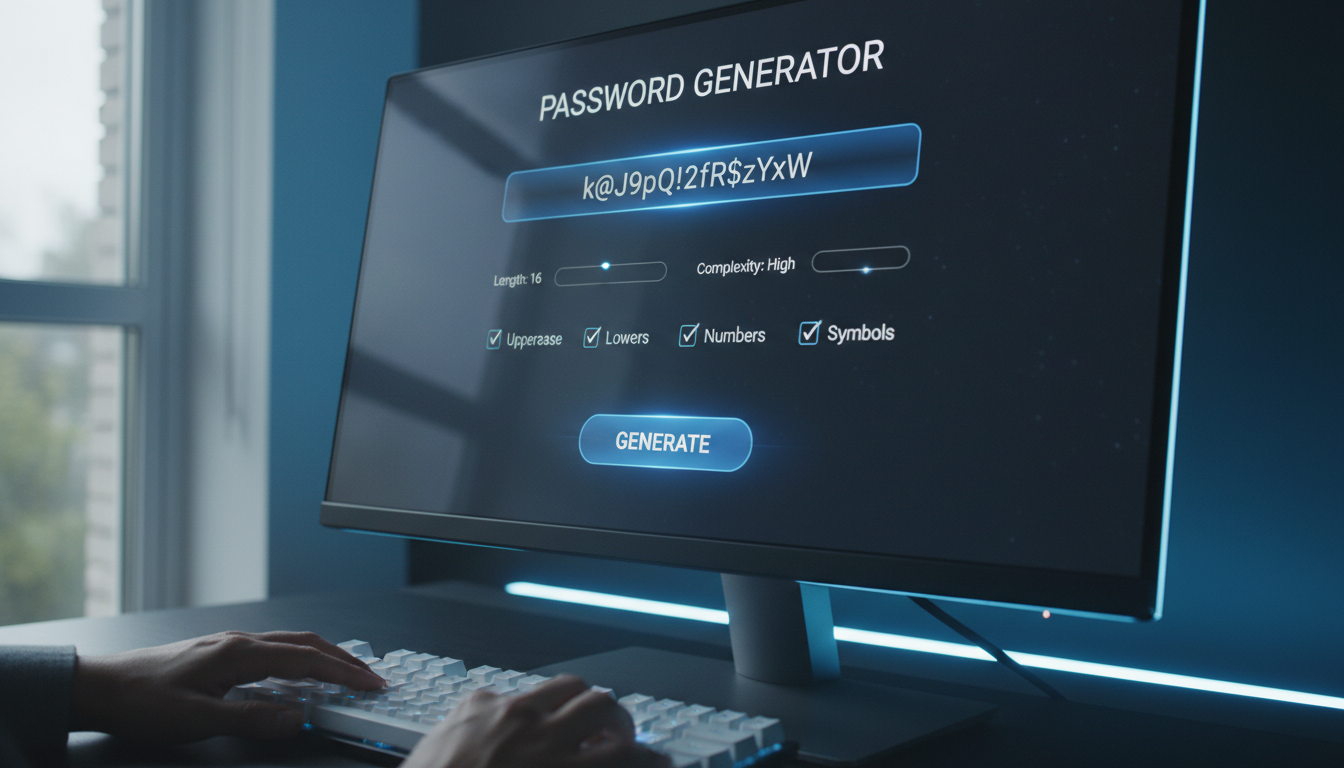
One of the simplest yet most effective ways to protect your business is by using strong and unique passwords. Encourage your employees to create complex passwords that combine letters, numbers, and symbols. Avoid using easily guessed information such as birthdays or common words.
Consider implementing a password management tool to help employees generate and store secure passwords. Regularly updating passwords and using two-factor authentication adds an additional layer of security, making it more difficult for hackers to gain access to your systems.
Implement SSL Certificates
Secure Sockets Layer (SSL) certificates are essential for any business conducting online transactions. An SSL certificate encrypts data transferred between the server and the client, preventing unauthorized access. This protection is crucial for safeguarding sensitive information like credit card numbers and personal details.
When customers see the padlock symbol and "https" in their browser's address bar, they are more likely to trust your website. Implementing SSL can significantly reduce the risk of data breaches and enhance customer confidence.
Regularly Update Software
Keeping your software up to date is vital for maintaining security. Software developers frequently release updates to patch vulnerabilities that hackers might exploit. Ensuring all systems, including operating systems, applications, and plugins, are current can protect your business from known threats.
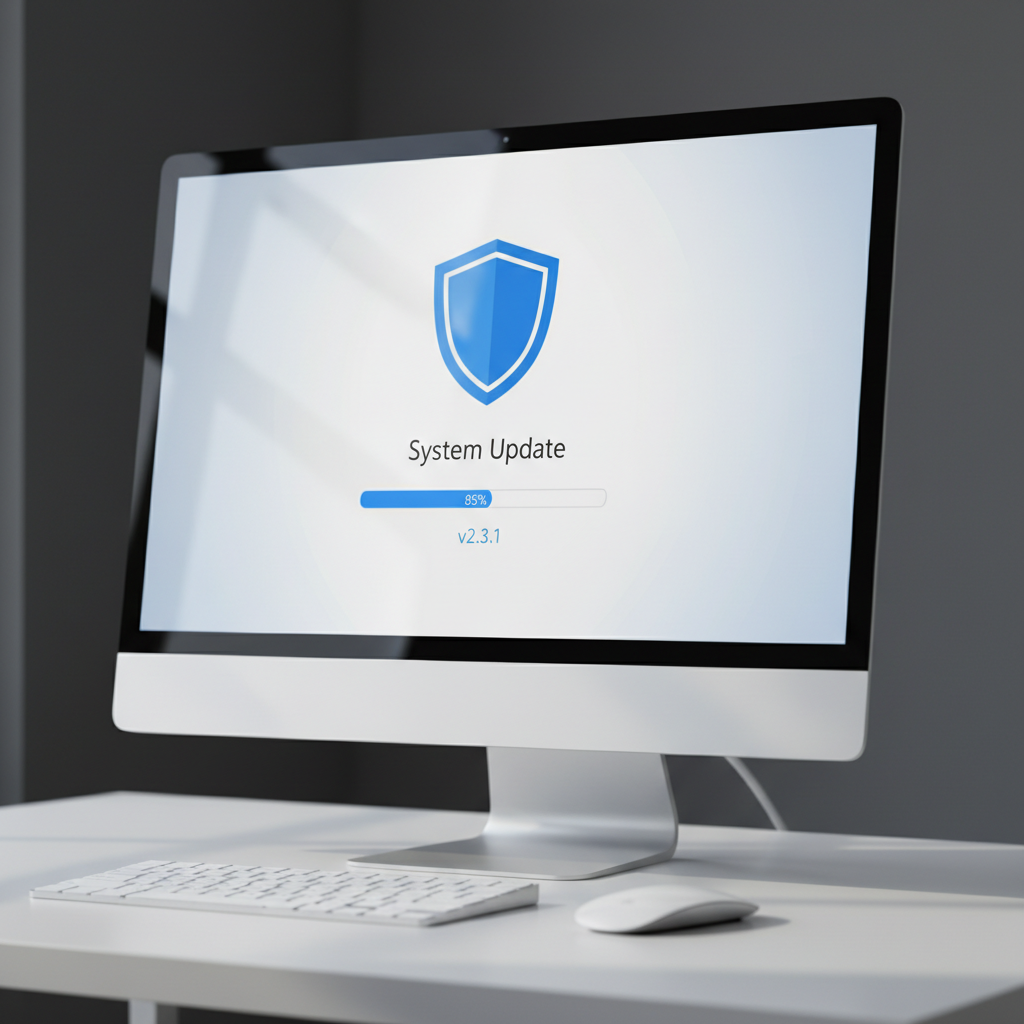
Automating updates can save time and ensure that your systems are always protected. Regularly audit your software to identify outdated programs that may pose security risks.
Educate Your Employees
Your employees are your first line of defense against cyber threats. Conduct regular training sessions to educate them about the latest security protocols and phishing scams. Ensure they understand the importance of reporting suspicious activities immediately.
Create a culture of security awareness within your organization. Encourage employees to follow best practices and reward proactive behavior. An informed team is a crucial component in safeguarding your business.

Monitor Transactions and Set Alerts
Regularly monitoring your transactions can help detect suspicious activities early. Set up alerts for unusual transactions or access attempts. These alerts can provide timely notifications, allowing you to respond quickly to potential threats.
Utilize advanced analytics to track patterns and identify anomalies. By staying vigilant, you can prevent unauthorized transactions and protect your business from financial losses.
Conclusion
Protecting your business from online threats requires a proactive approach and a robust security strategy. By following these top tips for online transaction security, you can safeguard your business, enhance customer trust, and maintain a competitive advantage in the digital marketplace. Prioritize cybersecurity as an ongoing effort and stay informed about the latest trends and technologies to keep your business secure.