The Ultimate Guide to Secure Payment Gateways for Small Businesses
MG
In today’s digital landscape, ensuring secure payment processing is crucial for small businesses. With online transactions becoming the norm, understanding secure payment gateways is essential to protect both your business and your customers. This guide will walk you through everything you need to know about secure payment gateways.
What Are Payment Gateways?
Payment gateways are technology used by merchants to accept debit or credit card purchases from customers. They act as the intermediary between the customer’s bank and the merchant’s bank, ensuring that transactions are carried out securely and efficiently.
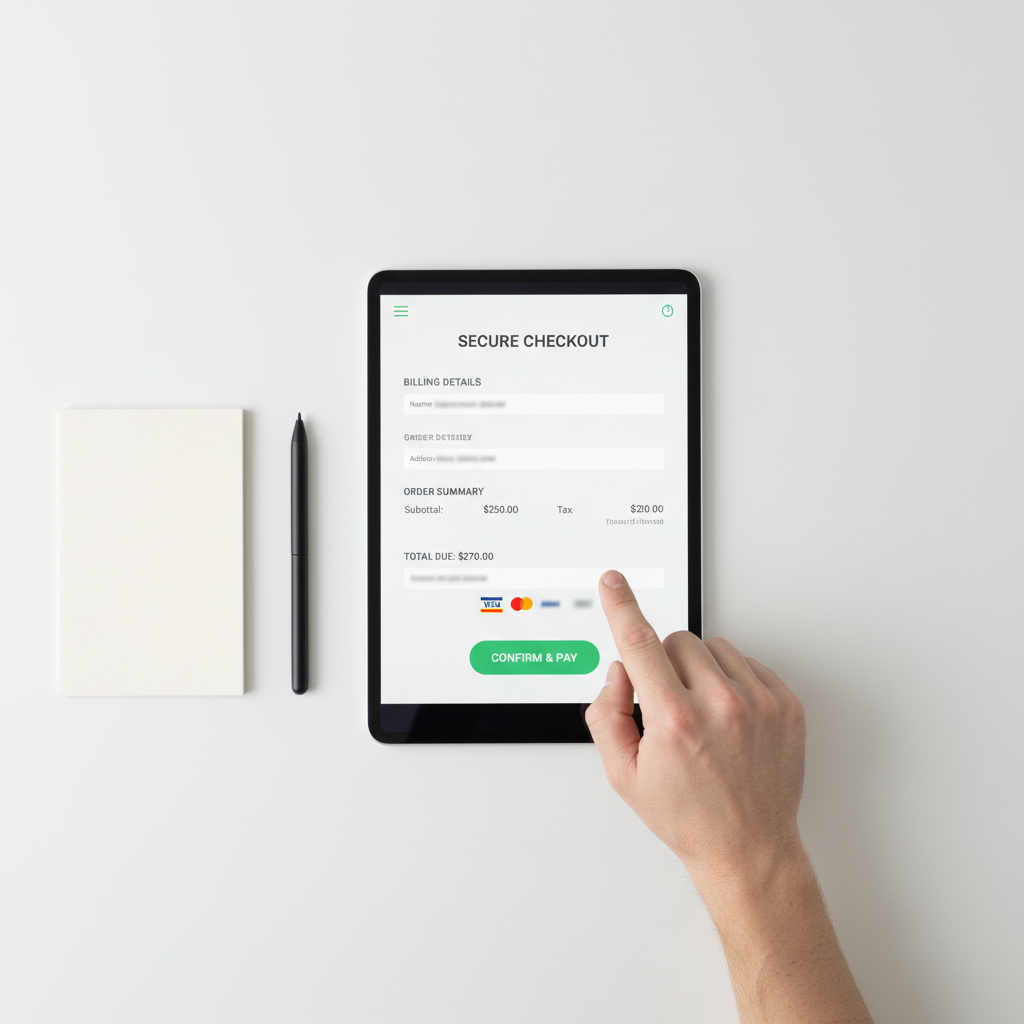
Why Security Matters
Security is a top priority when it comes to payment gateways. Breaches can lead to financial loss, damage to your business reputation, and loss of customer trust. Therefore, it's vital to choose a gateway that complies with the Payment Card Industry Data Security Standard (PCI DSS).
Key Features of Secure Payment Gateways
When selecting a payment gateway, look for these essential features:
- Data Encryption: Ensures sensitive information is protected during transmission.
- Fraud Detection: Tools that identify suspicious activities and prevent fraudulent transactions.
- Tokenization: Converts card details into tokens, reducing the risk of data breaches.

Popular Payment Gateway Options
There are several secure payment gateway providers to consider:
- PayPal: Widely trusted, offering comprehensive security features.
- Stripe: Known for its developer-friendly platform and robust security measures.
- Square: Offers a simple setup and strong security for small businesses.
Integrating a Payment Gateway
Integrating a payment gateway can be straightforward with the right provider. Most gateways offer plugins or APIs to seamlessly integrate with your existing systems, whether you are running an e-commerce site or a physical store.
Tips for Maintaining Security
Once you have your payment gateway set up, keep these tips in mind to maintain security:
- Regularly update your software to protect against vulnerabilities.
- Conduct security audits to identify potential risks.
- Educate your staff about secure payment practices.
Conclusion
Securing your payment processing is not just about protecting your business; it’s about safeguarding your customers’ trust. By carefully selecting and maintaining a secure payment gateway, you can ensure a smooth and safe transaction experience for everyone involved.