How to Set Up E-commerce Payment Gateways for Seamless Customer Experience
MG
Setting up e-commerce payment gateways is a crucial step in establishing a successful online store. A seamless payment process not only enhances the customer experience but also boosts conversion rates. This post will guide you through the essentials of setting up payment gateways effectively.
Understanding Payment Gateways
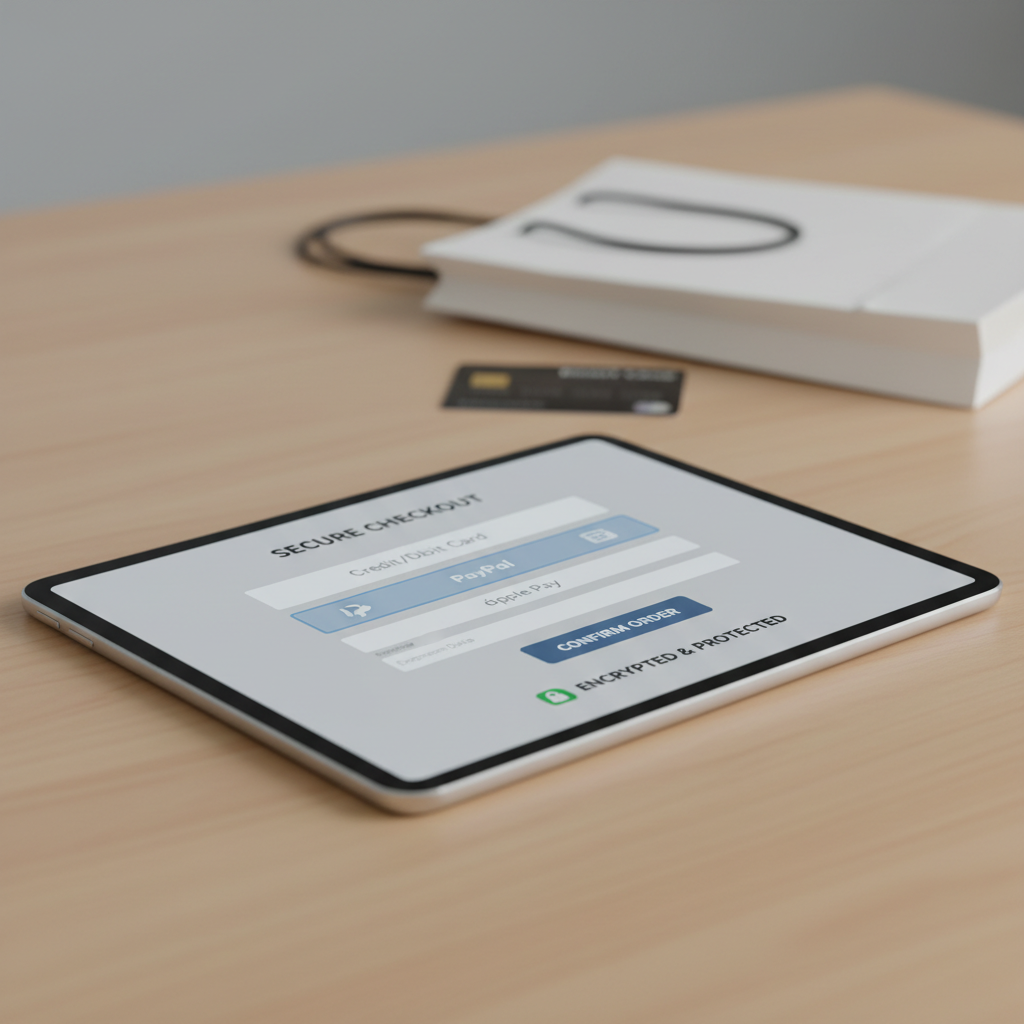
Payment gateways act as a bridge between your e-commerce site and the payment processor. They authorize payments for online retailers and ensure that customer transactions are secure. It's essential to choose a gateway that aligns with your business needs and offers robust security features.
Choosing the Right Payment Gateway
When selecting a payment gateway, consider factors such as transaction fees, supported currencies, and integration capabilities. Popular options include PayPal, Stripe, and Square. Evaluate each option to determine which one best fits your business model and target audience.
Transaction Fees and Costs
Different payment gateways have varying fee structures. Some charge a flat rate per transaction, while others have a percentage-based fee. Be sure to calculate the impact of these fees on your profitability before making a decision.
Integration with Your E-commerce Platform
Ensure that the payment gateway you choose integrates smoothly with your e-commerce platform. Most platforms like Shopify, WooCommerce, and Magento offer built-in support for major gateways, making the integration process more straightforward.
Setting Up the Payment Gateway
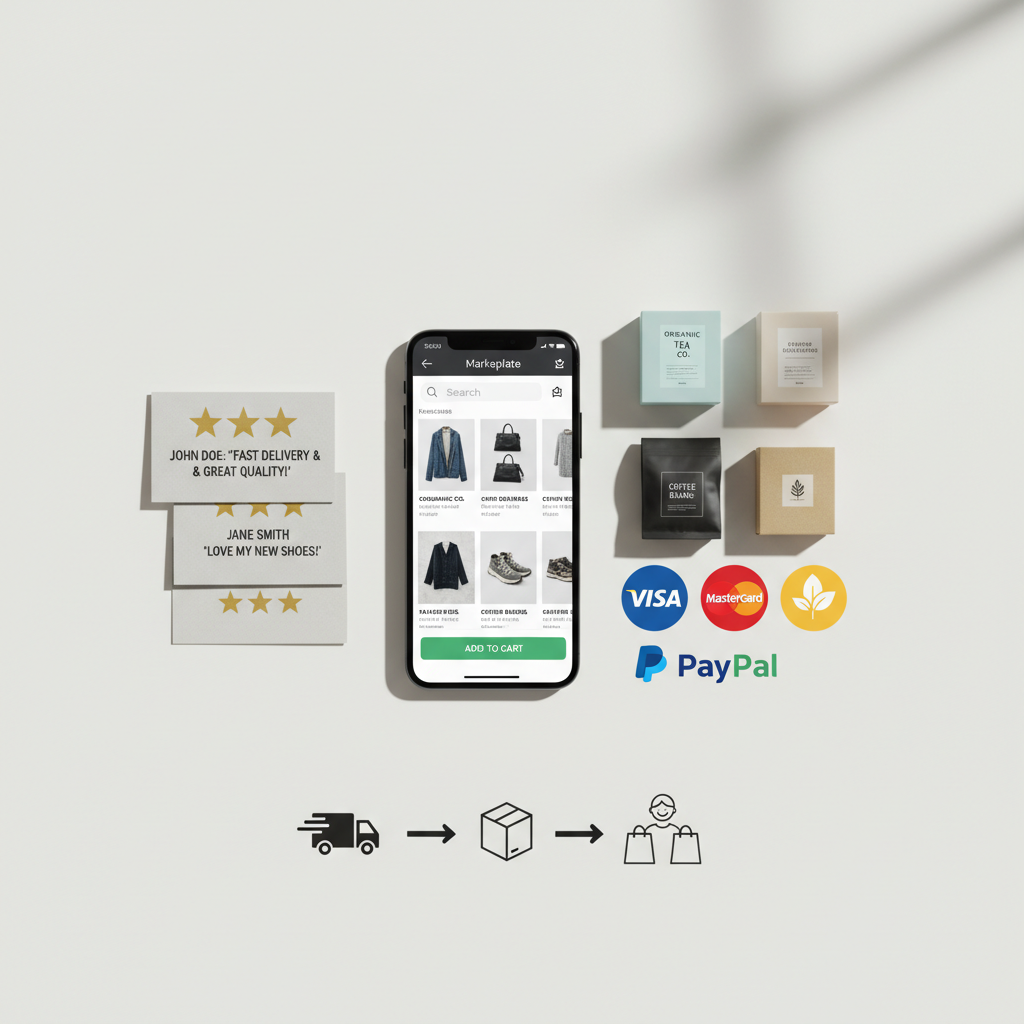
Once you've chosen a gateway, the next step is to set it up on your site. This usually involves creating an account with the payment provider, configuring settings in your e-commerce platform, and testing the setup to ensure everything works correctly.
- Create an account with the chosen payment gateway.
- Follow the integration instructions provided by your e-commerce platform.
- Test the payment process to ensure it is seamless and secure.
Ensuring Security and Compliance
Security is paramount when handling customer payments. Ensure that your payment gateway complies with the Payment Card Industry Data Security Standard (PCI DSS). This compliance will protect both your business and your customers' sensitive information.

Enhancing the Customer Experience
A seamless payment experience can significantly impact customer satisfaction. Offer multiple payment options, such as credit cards, digital wallets, and bank transfers, to cater to a wider audience. Additionally, ensure that the checkout process is quick and user-friendly.
By carefully selecting and setting up your e-commerce payment gateway, you can create a secure and efficient payment process that boosts customer confidence and drives sales. Remember, a smooth payment experience is crucial to the success of your online business.