How to Enhance Online Transaction Security for Your Business
MG
Understanding the Importance of Online Transaction Security
As businesses increasingly rely on digital transactions, ensuring the security of these transactions has become critical. Online transaction security protects sensitive data, builds customer trust, and prevents financial losses. By implementing robust security measures, businesses can safeguard their operations and maintain a strong reputation.
Cyber threats are evolving, and even a small vulnerability can lead to significant breaches. Therefore, understanding and enhancing your online transaction security is not just an option; it’s a necessity.
Implementing Secure Payment Gateways
A secure payment gateway is essential for protecting your customers’ payment information. These gateways encrypt sensitive data, ensuring that it cannot be intercepted by malicious parties. Choose a gateway that complies with the Payment Card Industry Data Security Standard (PCI DSS) to ensure top-notch security.
Additionally, offering multiple payment options can enhance security by diversifying risk. Always partner with reputable payment processors who prioritize security and compliance.
Utilizing Encryption and Tokenization
Encryption converts data into a code to prevent unauthorized access. By encrypting transaction data, you can protect sensitive information such as credit card numbers and personal details. Implementing strong encryption protocols is crucial for maintaining transaction integrity.
Tokenization replaces sensitive data with unique identifiers called tokens. These tokens have no exploitable value, making them an effective way to secure transaction data. By using both encryption and tokenization, businesses can create a robust security framework.

Implementing Multi-Factor Authentication (MFA)
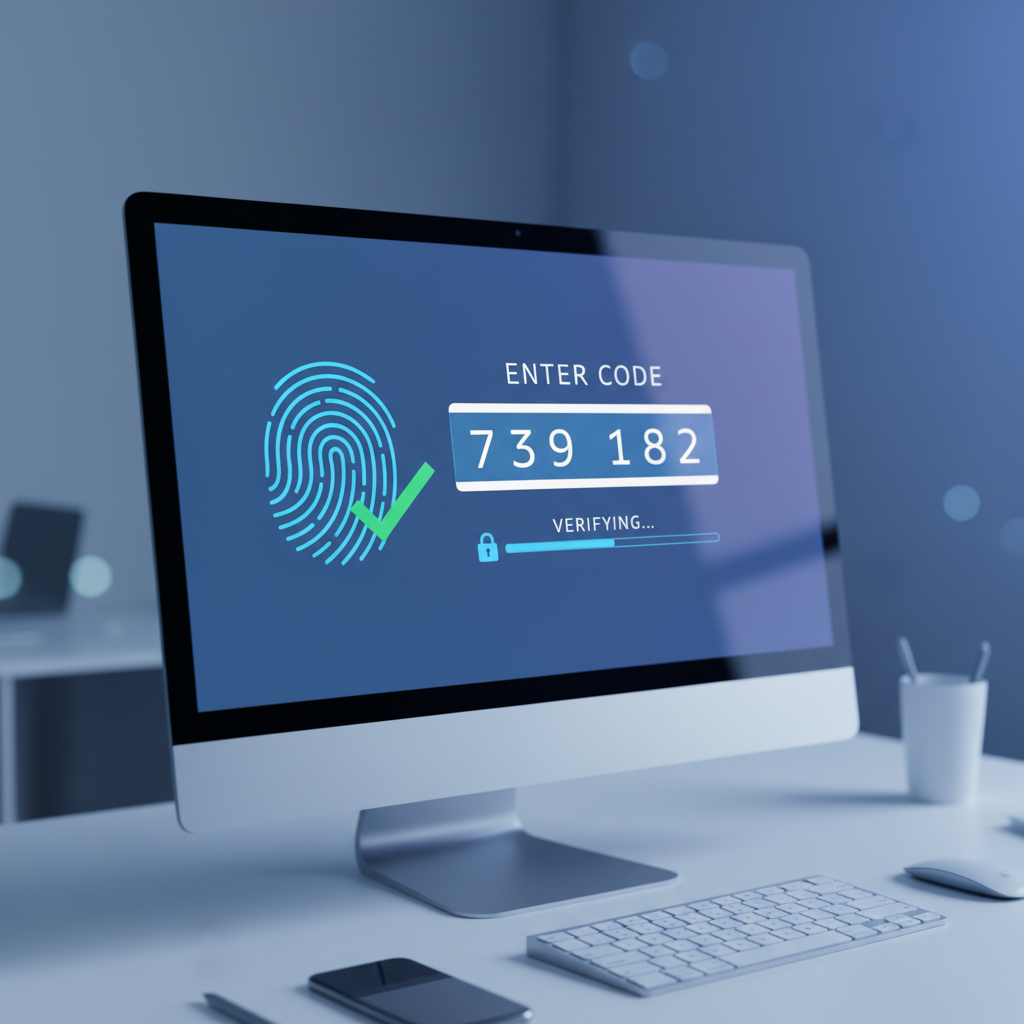
Multi-factor authentication adds an extra layer of security by requiring users to provide two or more verification factors. This might include something they know (password), something they have (security token), or something they are (fingerprint).
MFA significantly reduces the risk of unauthorized access, as attackers must bypass multiple security layers. Encourage customers to enable MFA, and ensure your systems support it at every transaction point.
Monitoring Transactions for Fraud Detection
Real-time monitoring of transactions can help detect and prevent fraudulent activities. Implementing systems that analyze transaction patterns and flag suspicious activities is crucial for proactive security management.
- Set up alerts for unusual transaction sizes or locations.
- Use machine learning to improve detection accuracy.
- Regularly update your monitoring tools to adapt to new threats.

Educating Employees and Customers
Human error remains a significant risk factor in online security. Educating your employees about best practices, phishing scams, and secure handling of sensitive data can reduce this risk. Regular training sessions and updates on the latest threats can empower your team to act as the first line of defense.
Similarly, educating your customers about secure transaction practices, such as recognizing phishing attempts, can further enhance security. Provide them with resources and support to ensure they feel confident in conducting transactions on your platform.
Regularly Updating Software and Systems
Outdated software is a common target for cyberattacks. Regularly updating your systems ensures you have the latest security patches and features. This includes your website, payment systems, and any third-party software you use.
Consider implementing automatic updates where possible, and conduct regular security audits to identify and address potential vulnerabilities. Staying current with technological advancements is key to maintaining a secure transaction environment.