How to Choose Between Mobile Wallets and Traditional Payment Methods for Your Bremerton Business
MG
As a business owner in Bremerton, deciding between mobile wallets and traditional payment methods can significantly impact your operations and customer satisfaction. Both options have their advantages, and understanding these can help you make an informed decision that aligns with your business goals.
Understanding Mobile Wallets
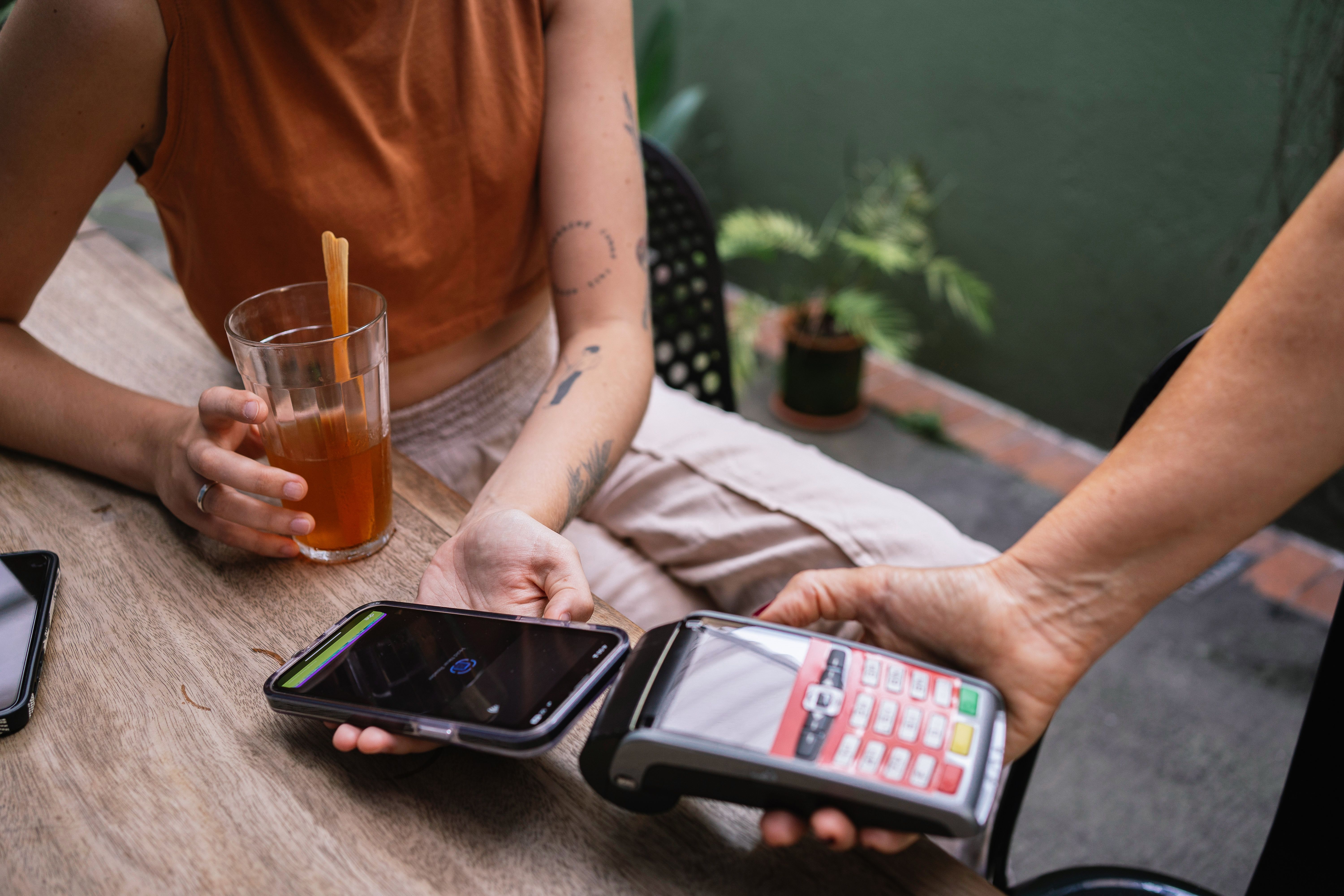
Mobile wallets are digital applications that allow consumers to make payments using their smartphones. Popular options include Apple Pay, Google Wallet, and Samsung Pay. These platforms offer a convenient way for customers to pay without having to carry cash or cards.
The integration of mobile wallets can streamline the checkout process and enhance customer experience, especially for tech-savvy consumers who prefer quick and easy transactions. Implementing mobile payment options could potentially increase your customer base and boost sales.
Benefits of Mobile Wallets
Security is one of the most significant advantages. Mobile wallets use encryption and tokenization, making transactions more secure than traditional credit card payments. Additionally, they often require biometric authentication, adding another layer of protection.
Another benefit is speed and convenience. Customers can complete transactions quickly, which reduces wait times and improves customer satisfaction. This is particularly beneficial during peak business hours.
Exploring Traditional Payment Methods
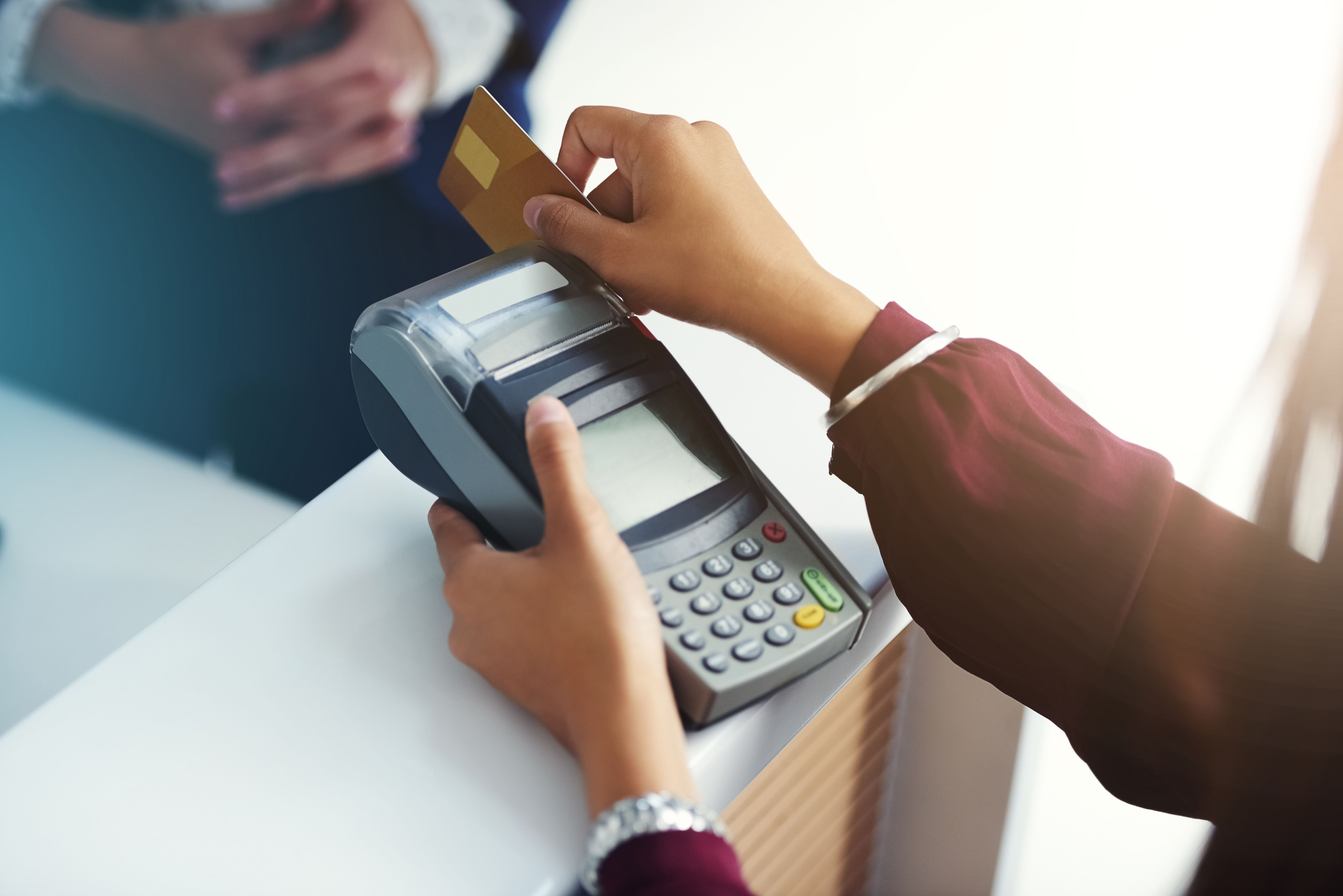
Traditional payment methods, such as cash and credit cards, have been the backbone of commerce for decades. These methods are familiar to most people, making them a reliable choice for businesses catering to a diverse demographic.
Despite the rise of digital payments, many consumers still prefer using cash or cards due to their tangibility and ease of use, especially among older demographics or areas with limited digital infrastructure.
Advantages of Traditional Payments
The primary advantage of traditional methods is their universality. Unlike mobile wallets, which require specific devices or apps, cash and cards are widely accepted and understood.
Traditional payments also offer stability. Without the need for internet connectivity or digital literacy, transactions can be processed with minimal interruptions, making them dependable during network failures or technical issues.
Factors to Consider When Choosing
When deciding between mobile wallets and traditional payment methods, consider your target audience. If your customers are primarily young and tech-savvy, mobile payments might be advantageous. However, if your clientele includes older adults or those who prefer cash, traditional options may be better.
- Cost: Evaluate the fees associated with each payment method. Mobile wallets may have lower transaction fees compared to credit card processors.
- Infrastructure: Assess whether you have the necessary technology to support mobile payments.
- Customer Preference: Survey your customers to understand their payment preferences.

Conclusion
Ultimately, the choice between mobile wallets and traditional payment methods depends on your specific business needs and customer preferences. Some businesses may even benefit from offering both options to accommodate all customers. By carefully evaluating the pros and cons of each, you can make an informed decision that supports your business's growth and customer satisfaction.