Expert Tips for Enhancing Mobile Payment Security
MG
Understanding Mobile Payment Security
With the rapid adoption of mobile payments, ensuring the security of these transactions has become crucial. As more consumers rely on their smartphones for daily purchases, the potential risks also increase. It’s essential to understand the basic principles of mobile payment security to protect both businesses and consumers.
Mobile payment security involves multiple layers of protection, including encryption, authentication, and secure software development practices. By leveraging these technologies, businesses can enhance the security of mobile transactions and build trust with their customers.
Implement Strong Authentication Methods
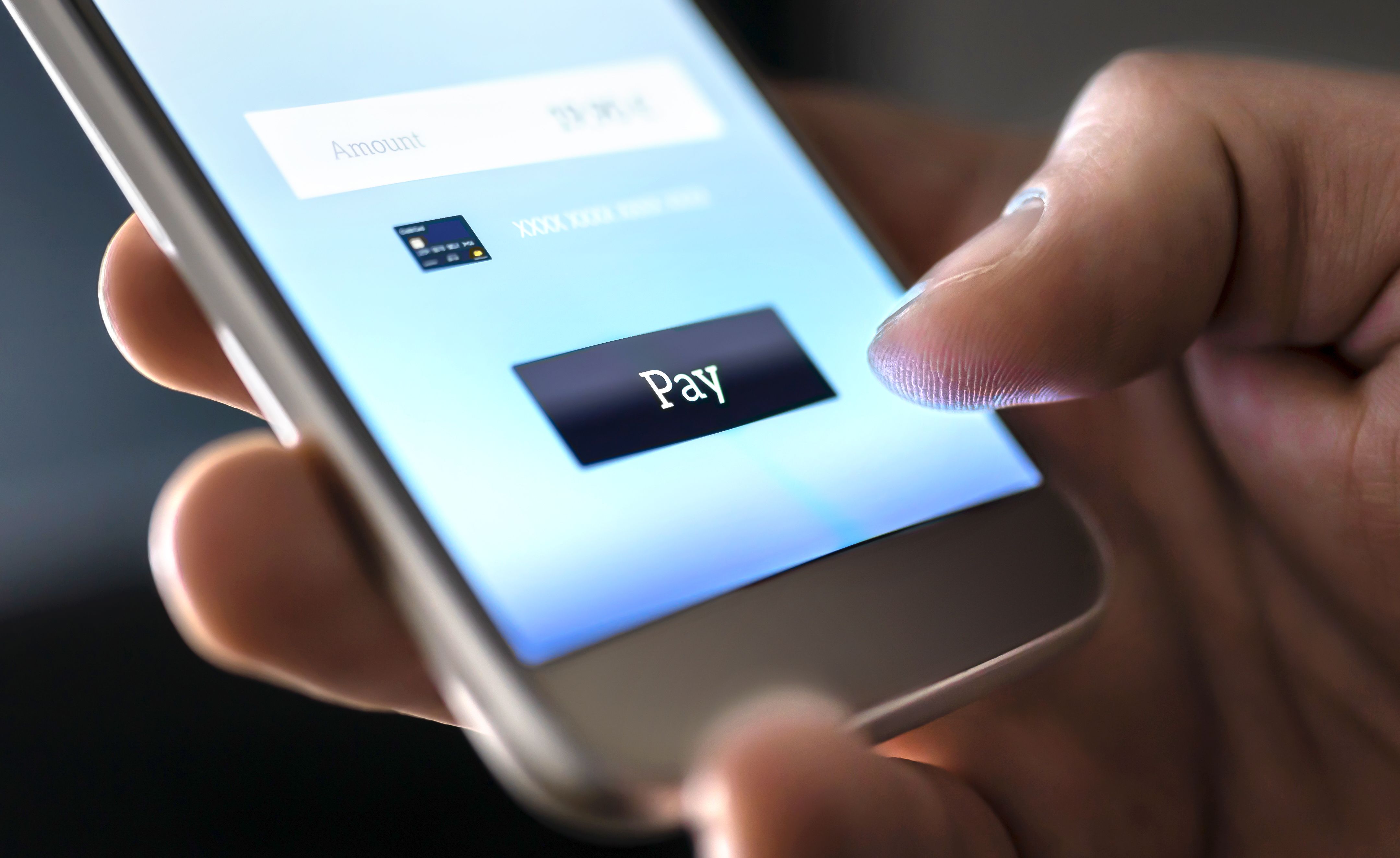
One of the most effective ways to enhance mobile payment security is through strong authentication methods. This includes using multi-factor authentication (MFA), which requires users to provide two or more verification factors to gain access. These factors can be something they know (password), something they have (smartphone), or something they are (fingerprint).
Biometric authentication, such as fingerprint or facial recognition, offers an additional layer of security. By integrating these technologies, businesses can significantly reduce the risk of unauthorized access to mobile payment systems.
Regularly Update and Patch Software
Keeping software up to date is another critical aspect of mobile payment security. Regular updates and patches address vulnerabilities that could be exploited by cybercriminals. Businesses should ensure that their payment applications and systems are consistently monitored for any security weaknesses.
Additionally, encouraging consumers to update their mobile apps can help protect their personal and financial information. Providing clear instructions and reminders can facilitate this process, enhancing overall security.

Utilize Encryption Technology
Encryption is a fundamental part of mobile payment security. It involves encoding data so that only authorized parties can access it. By encrypting sensitive information, such as credit card numbers and personal details, businesses can protect customer data against interception or theft.
End-to-end encryption ensures that data remains secure throughout the transaction process. This technology makes it nearly impossible for hackers to access information, providing peace of mind for both businesses and consumers.
Educate Consumers on Security Practices
Consumer education plays a vital role in enhancing mobile payment security. By informing users about potential risks and best practices, businesses can empower them to protect their information. This includes advising on the use of secure passwords, recognizing phishing attempts, and practicing safe browsing habits.
Providing resources such as guides or workshops can further enhance consumer knowledge, enabling them to make informed decisions about their mobile payment security.
Monitor Transactions for Unusual Activity
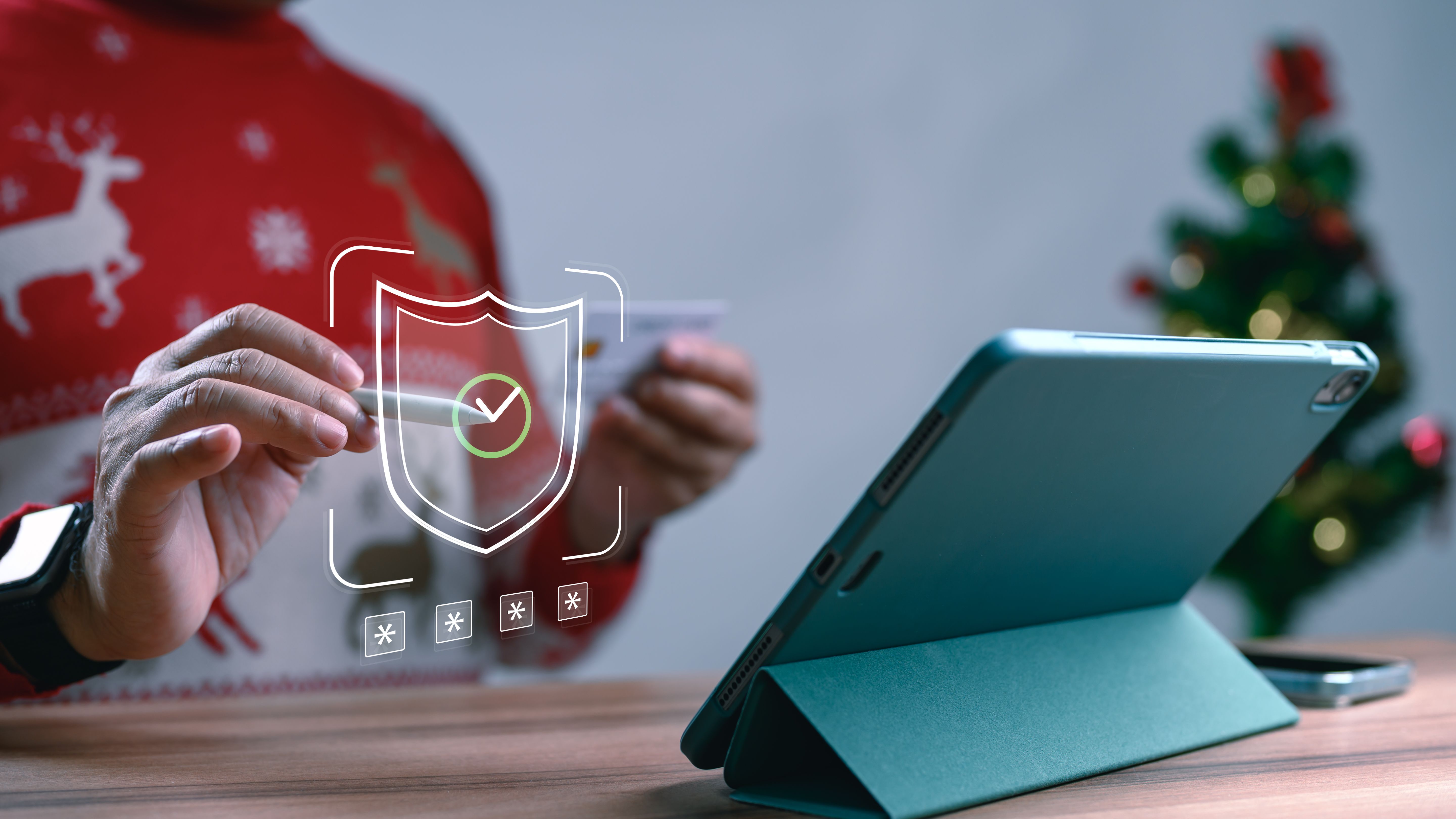
Implementing systems to monitor transactions for unusual activity is crucial for preventing fraud. By analyzing transaction patterns and identifying anomalies, businesses can quickly detect and respond to potential threats. This proactive approach helps safeguard both the company and its customers.
Utilizing artificial intelligence and machine learning can enhance the accuracy and efficiency of monitoring systems, providing real-time insights and alerts.
By adopting these expert tips, businesses can significantly enhance the security of their mobile payment systems. Prioritizing security not only protects valuable data but also fosters trust and loyalty among customers.