Debunking Myths About Online Transaction Security
MG
Understanding Online Transaction Security
In today's digital age, online transactions have become an integral part of our daily lives. Whether it's shopping, banking, or paying bills, convenience is at our fingertips. However, with this convenience comes a slew of myths that can cause unnecessary fear and hesitation. It's time to debunk these myths and understand the realities of online transaction security.
Myth 1: Online Transactions Are Always Risky
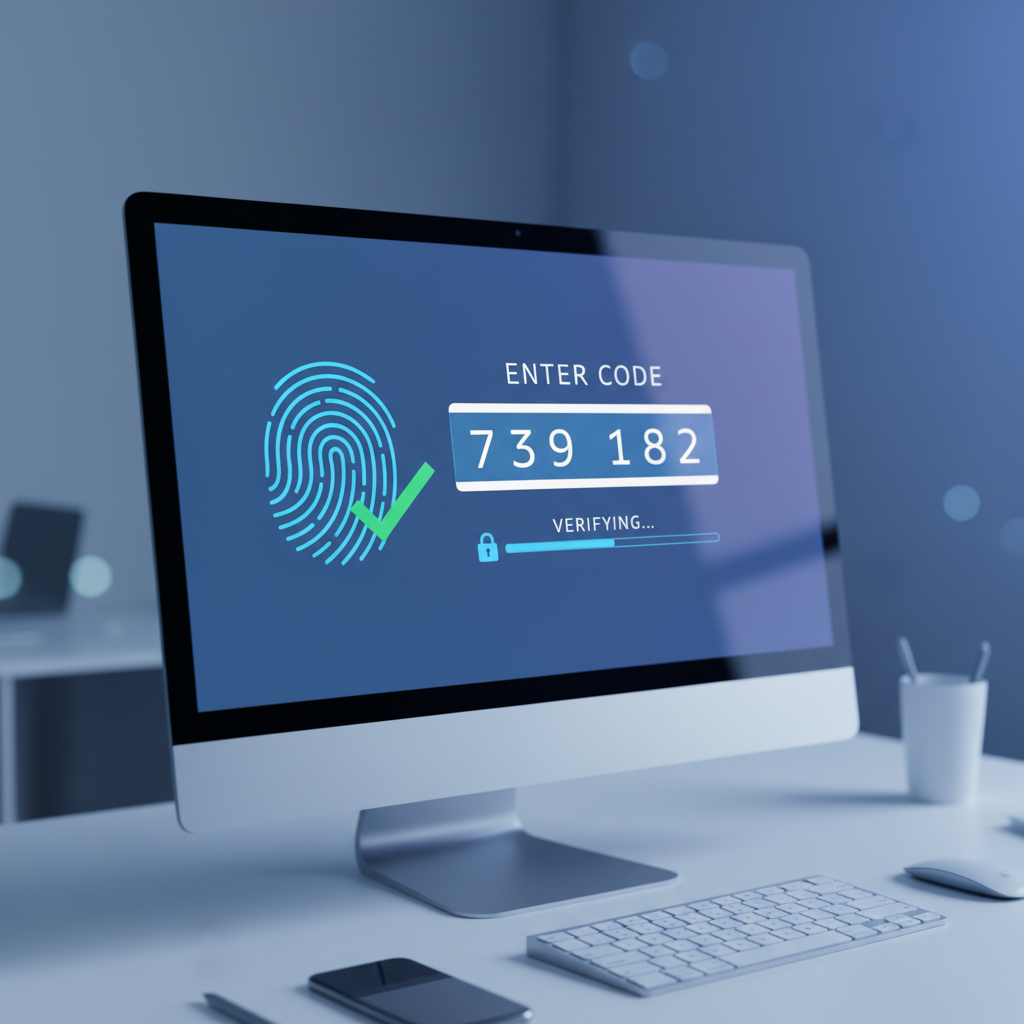
A common misconception is that online transactions are inherently risky. While no transaction method is completely risk-free, modern security measures have significantly reduced the risks. Technologies like encryption, tokenization, and multi-factor authentication provide robust protection against unauthorized access and fraud.
Myth 2: Only Big Companies Provide Secure Transactions
Many people believe that only large corporations can afford to implement secure transaction systems. In reality, various affordable security solutions are available for small and medium-sized businesses. Compliance with standards like PCI DSS ensures that even smaller businesses can provide secure transaction environments.

Myth 3: Public Wi-Fi Is Safe for Transactions
Despite its convenience, using public Wi-Fi for transactions can expose users to potential risks. Cybercriminals can intercept data on unsecured networks. It's advisable to use a virtual private network (VPN) or wait until you're on a secure, private network to complete sensitive transactions.
- Use a VPN when accessing public Wi-Fi.
- Avoid entering sensitive information on public networks.
- Regularly update your device's security software.
Myth 4: Credit Cards Are Less Secure Than Debit Cards
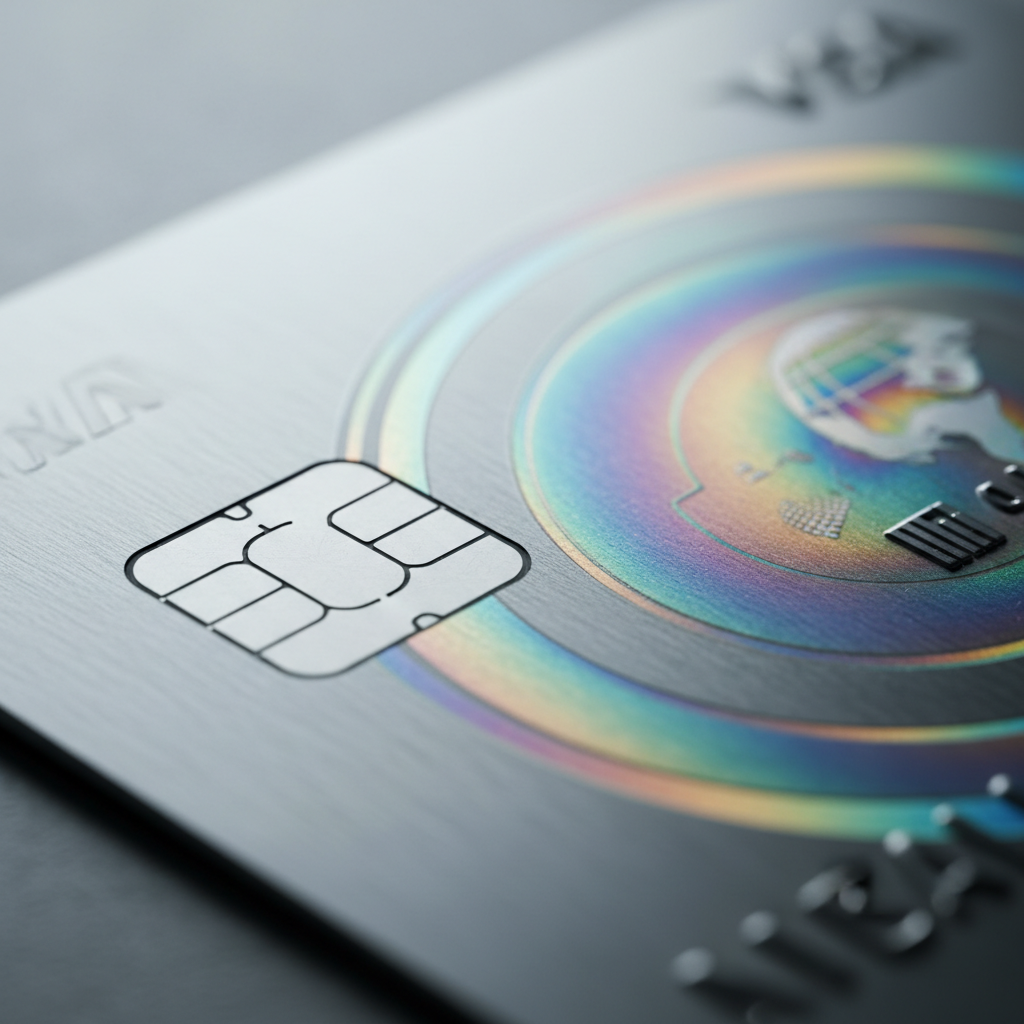
Another widespread myth is that credit cards are less secure than debit cards. In fact, credit cards often come with better fraud protection, including zero-liability policies. If unauthorized transactions occur, resolving them is usually more straightforward with credit cards than debit cards.
Myth 5: Passwords Are Enough for Security
While passwords are a fundamental layer of security, relying on them alone is not advisable. Implementing additional layers, such as two-factor authentication, can significantly enhance security. This method requires an extra verification step, making it harder for unauthorized users to gain access.
- Create strong, unique passwords for each account.
- Enable two-factor authentication whenever possible.
- Regularly update passwords and security questions.
Conclusion: Embracing Secure Online Transactions
Understanding and debunking these myths is crucial for embracing the convenience of online transactions without fear. By staying informed and implementing appropriate security measures, users can enjoy the benefits of the digital economy with peace of mind. Remember, knowledge is power, and staying educated about online security is your best defense against potential threats.