Common Myths About Online Transaction Security Debunked
MG
Understanding Online Transaction Security
In today's digital age, online transactions have become a staple of everyday life. However, with this convenience comes a myriad of myths that can cause unnecessary worry and confusion. It's important to separate fact from fiction to ensure peace of mind when shopping or banking online.
Myth 1: Public Wi-Fi Is Always Unsafe for Transactions
A common belief is that using public Wi-Fi for transactions is a recipe for disaster. While it's true that public networks can be less secure, there are ways to protect yourself. Using a Virtual Private Network (VPN) and ensuring websites are encrypted with HTTPS can help maintain security.
It's crucial to stay informed about network security and take proactive measures. Public Wi-Fi isn't inherently dangerous if you're cautious and use the right tools to safeguard your data.
Myth 2: All Websites Are Equally Secure
Not all websites offer the same level of security. Some sites might lack proper encryption, making them vulnerable to cyberattacks. Always look for a padlock symbol and "https://" in the URL before entering sensitive information.

Additionally, ensure that the website's security certificate is up to date. These small checks can make a significant difference in protecting your personal information.
Myth 3: Security Software Is Unnecessary
Some people believe that security software is optional or even redundant. In reality, having robust antivirus and anti-malware tools is essential for safe online transactions. These programs can detect and block threats before they compromise your data.
Regularly updating your software ensures that you have the latest protection against evolving cyber threats. It's a small investment that pays off substantially in the long run.

Myth 4: Hackers Only Target Big Companies
There's a misconception that hackers only go after large corporations. In truth, cybercriminals often target small businesses and individuals, assuming they have weaker defenses. Everyone is at risk, making it vital to implement good security practices.
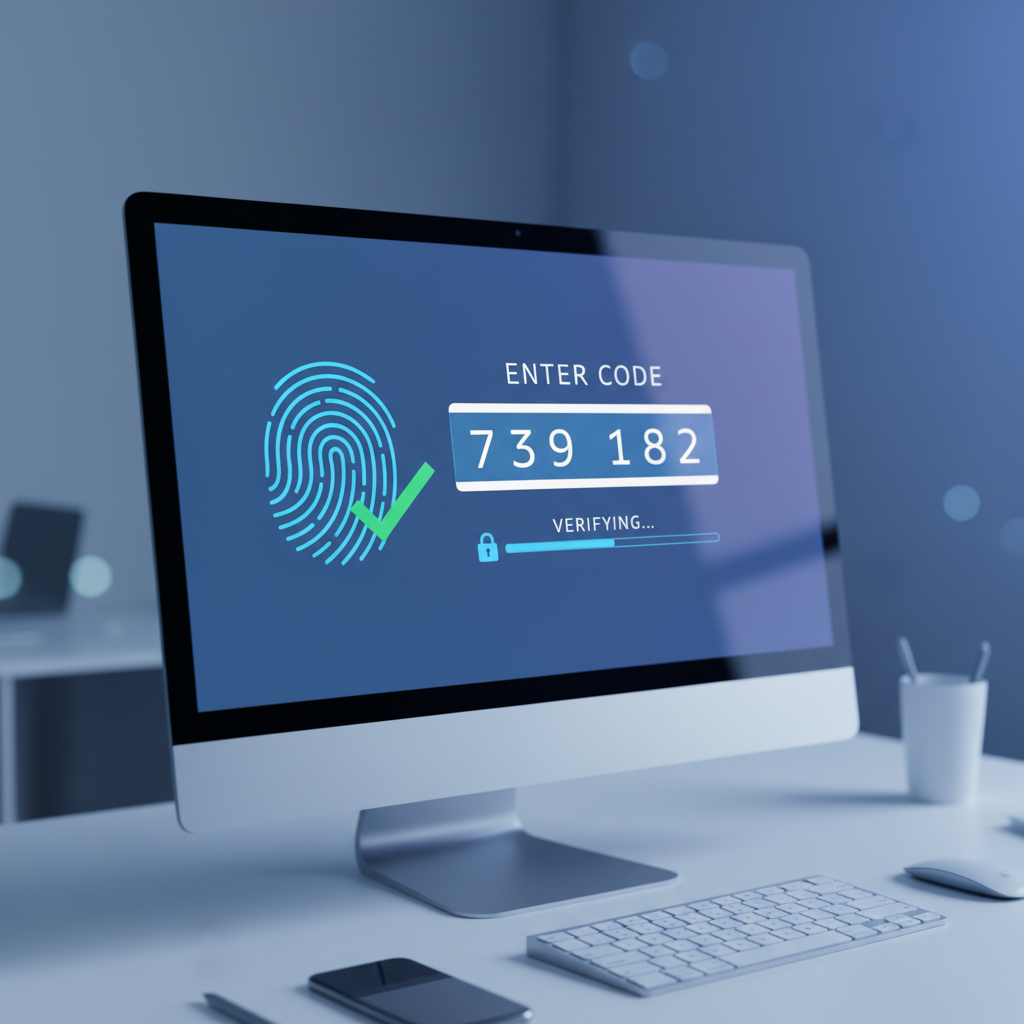
Simple steps like using strong, unique passwords and enabling two-factor authentication can make a big difference in safeguarding your online presence.
Conclusion: Stay Informed and Vigilant
Debunking these myths is a step towards more secure online transactions. By staying informed and employing the right tools, you can confidently navigate the digital world. Remember, the key to security is awareness and proactive protection.